Blog
Engineering insights, technical deep-dives, and industry perspectives from the Chertalo team.
 Chertalo Research & Technology
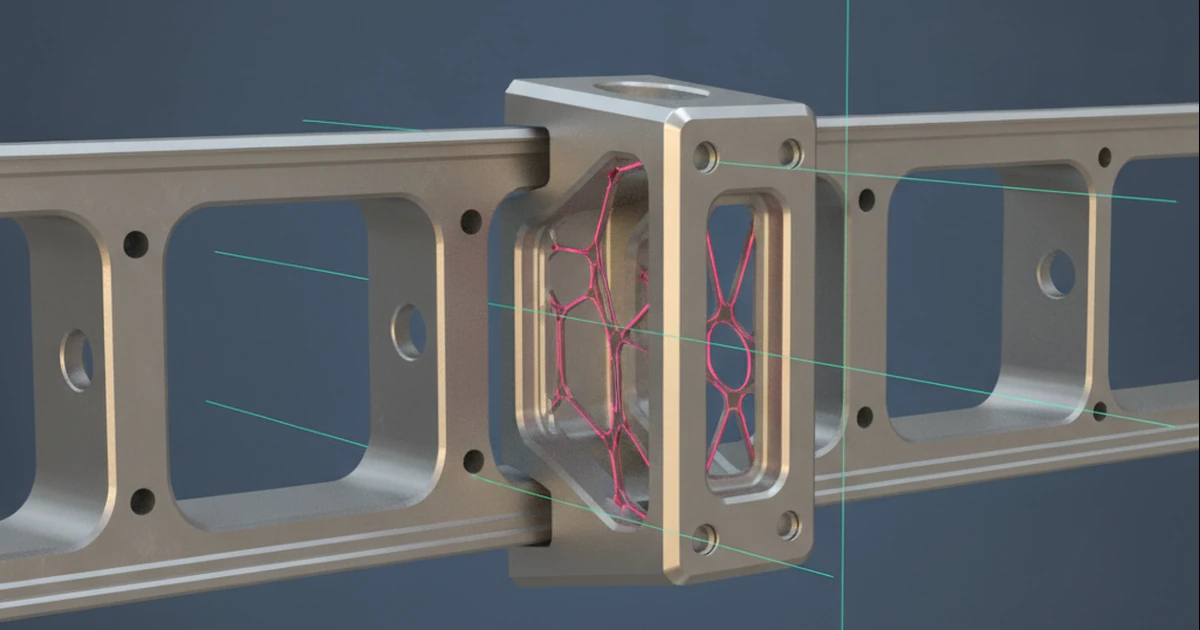
Aerospace Geometry: Keeping Datums, Variants, and Evidence Connected
An equipment-support bracket illustrates aerospace geometry concerns around datums, configuration changes, manufacturing context, and evidence.
 Chertalo Research & Technology
Can One Geometry Program Drive CPU and GPU?
Sharing a geometric definition across CPU and GPU requires agreement on operations, precision, and failure behavior—not just similar images.
 Chertalo Research & Technology
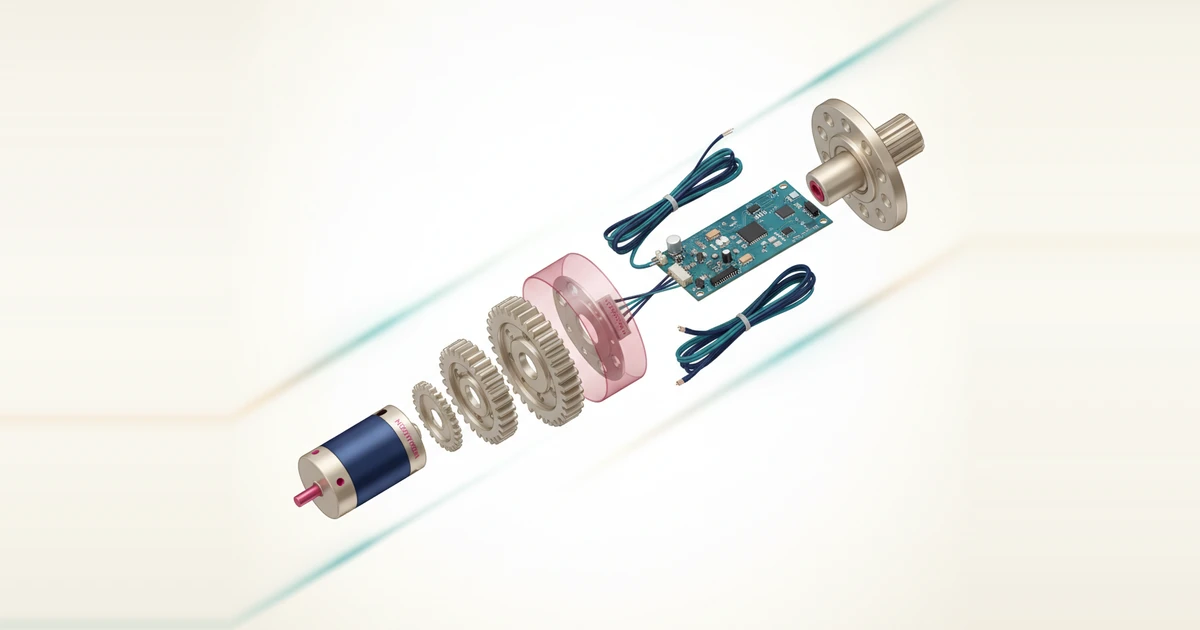
Designing Mechatronic Systems Through Composable Engineering Objects
An electric actuator illustrates how mechanical placement, sensor function, wiring, and thermal conditions could participate in a coordinated design workflow.
 Chertalo Research & Technology
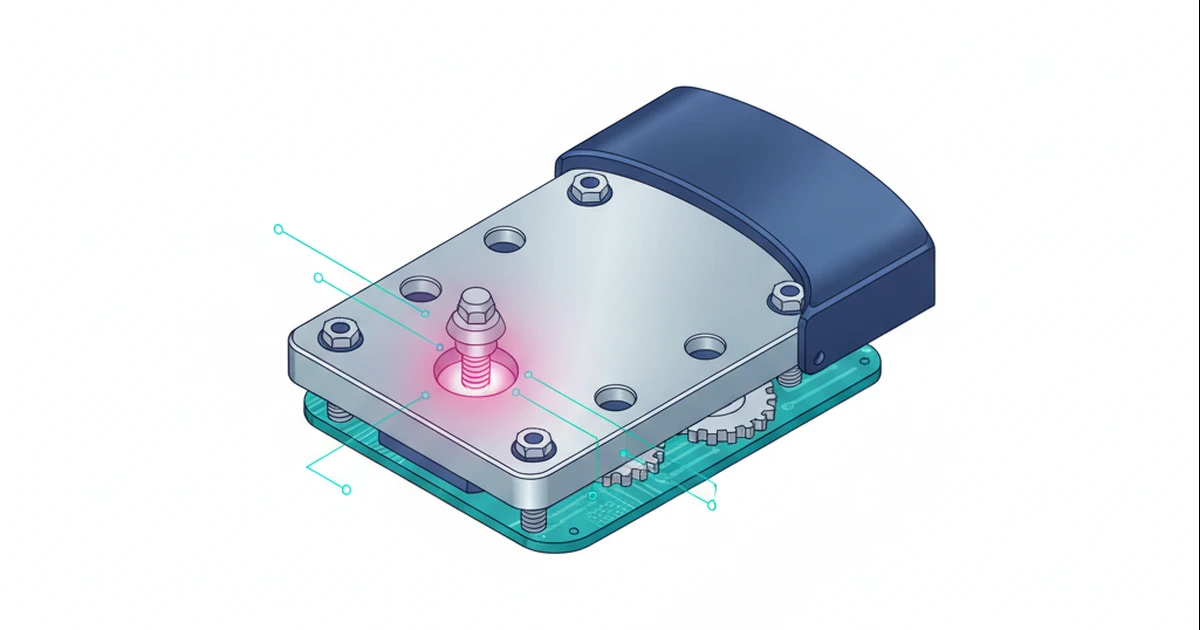
Engineering Change Without Rebuilding Everything
Changing a bolt pattern exposes the difference between useful incremental evaluation and unsafe reuse of stale geometric or engineering results.
 Chertalo Research & Technology
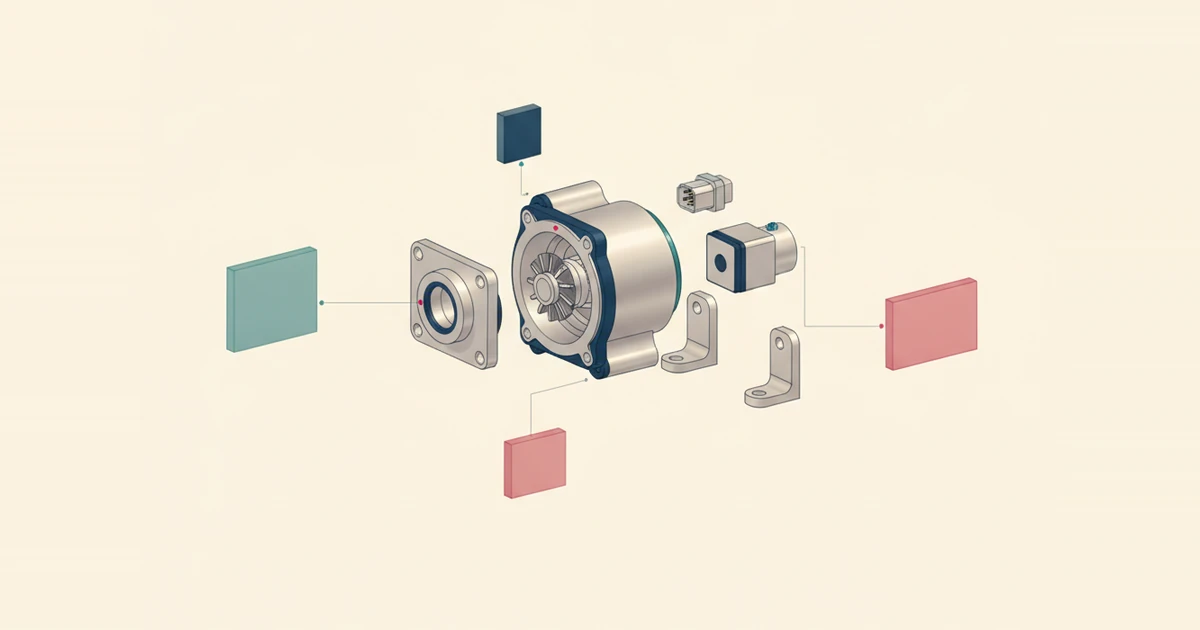
From CAD to MBSE: Connecting Geometry with Engineering Intent
A pump assembly shows how requirements and functions could guide geometry without confusing a systems model with a validated physical design.
 Chertalo Research & Technology
Geometry as Code: Why Engineering Models Should Be Executable Programs
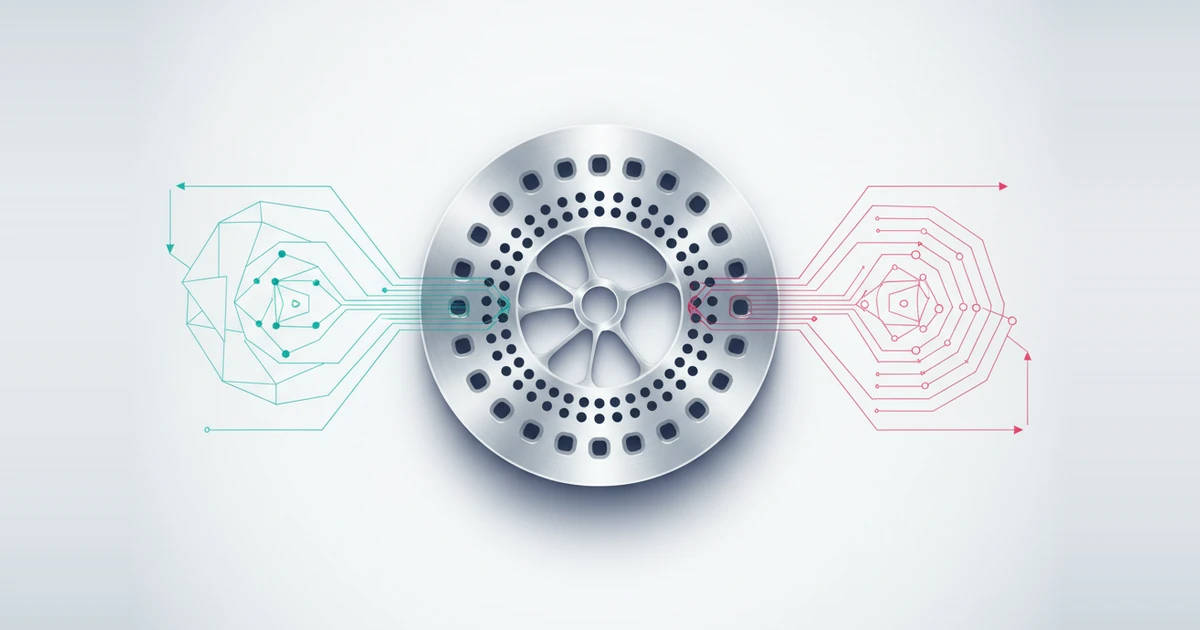
A geometry program should preserve design intent through parameter edits, not merely reproduce a shape. A mounting bracket shows what that requires.
 Chertalo Research & Technology
Geometry Dependencies: Exploring Parallel Execution Beyond Command Order
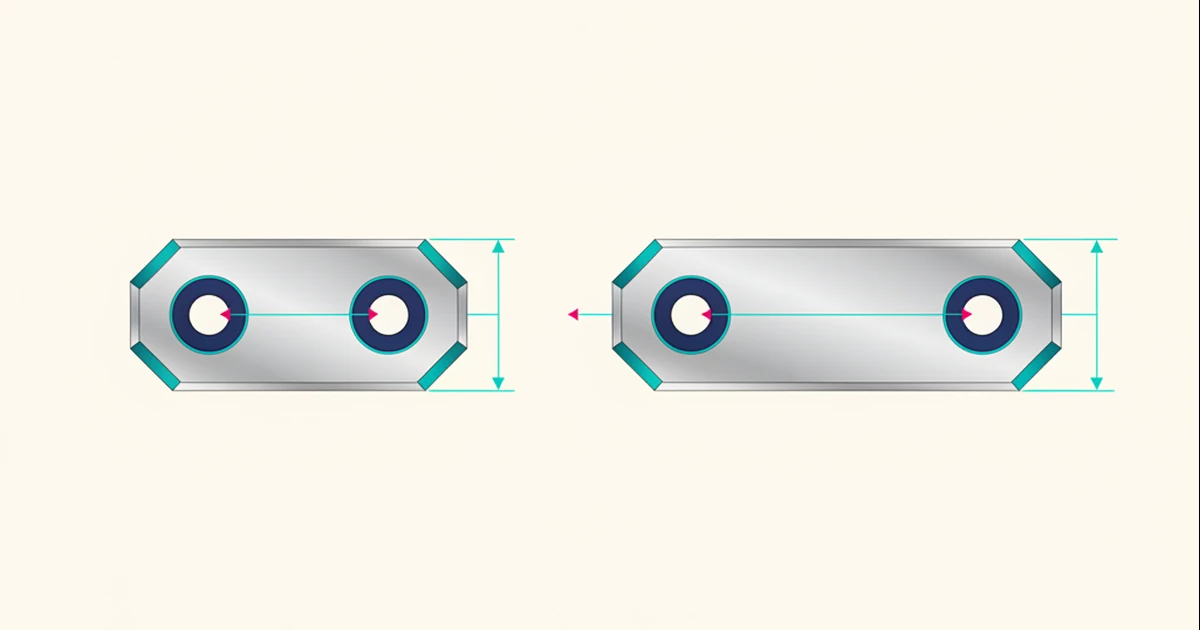
A mounting plate illustrates how explicit geometric dependencies could expose safe concurrency while preserving construction meaning.
 Chertalo Research & Technology
How to Evaluate a Geometry Engine for Its Intended Task
Evaluating geometry engines requires task-specific questions about validity, editing, queries, and conversion rather than a single ranking.
 Chertalo Research & Technology
From Lattice Geometry to Simulation: Exploring a Connected Workflow
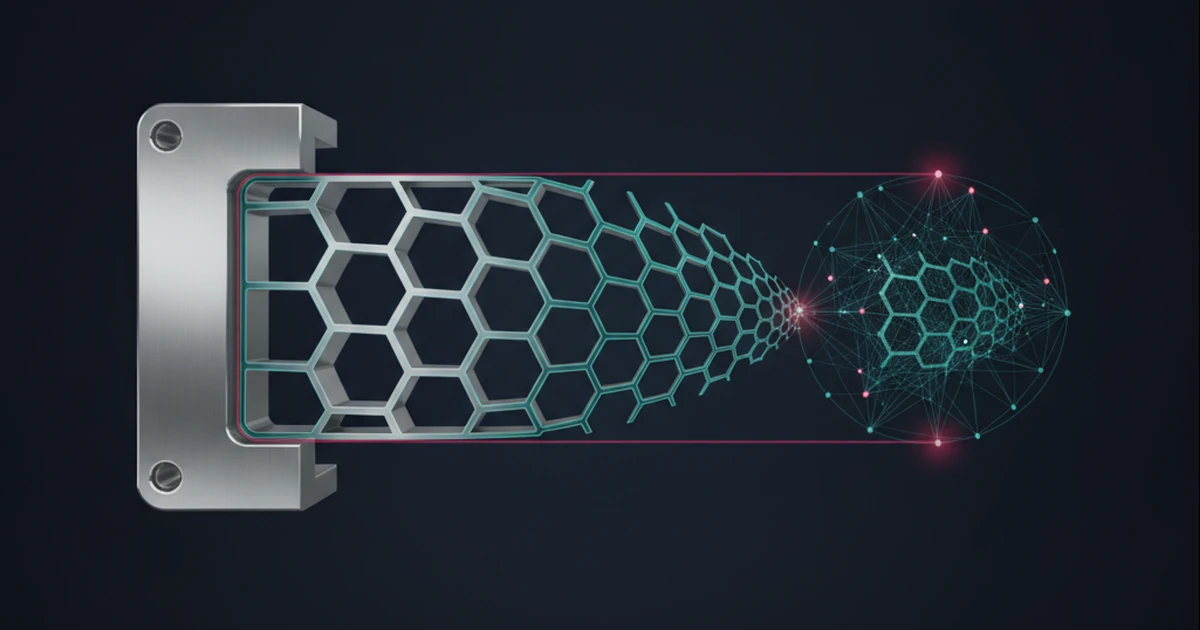
A graded lattice insert illustrates why geometric validity, analysis-domain preparation, and solver verification remain distinct engineering tasks.
 Chertalo Research & Technology
Magnetic Parametric Composition: From Snaps to Explicit Relationships
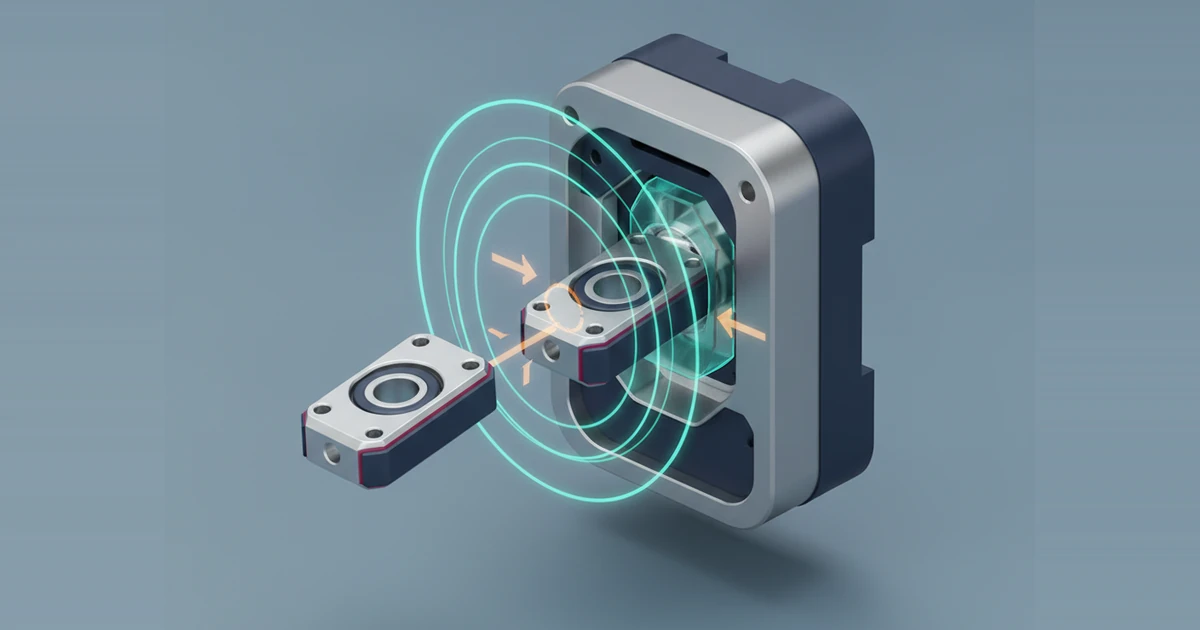
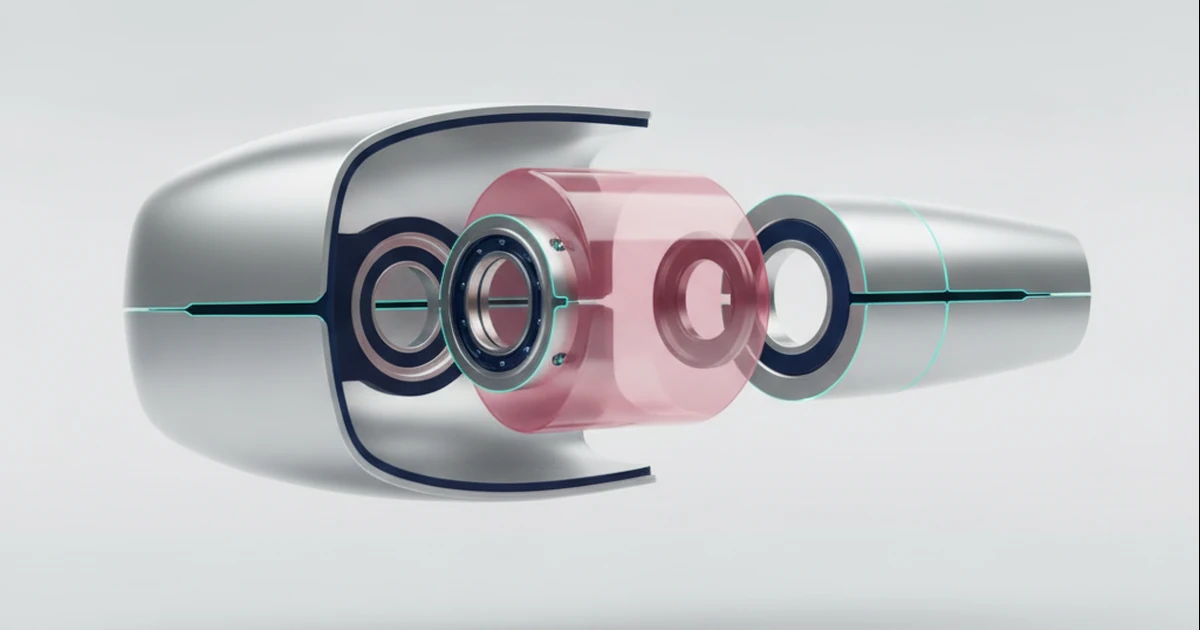
A mounting lug approaching a housing illustrates why snapping, mating, and Boolean composition need separate, explicit engineering decisions.
 Chertalo Research & Technology
Parametric Engineering for Automotive Surfaces and Complex Housings
An electric-drive housing shows how surface design must balance appearance, packaging, mounting references, and manufacturing constraints.
 Chertalo Research & Technology
Research Before Implementation: How We Test CAD Architecture Ideas
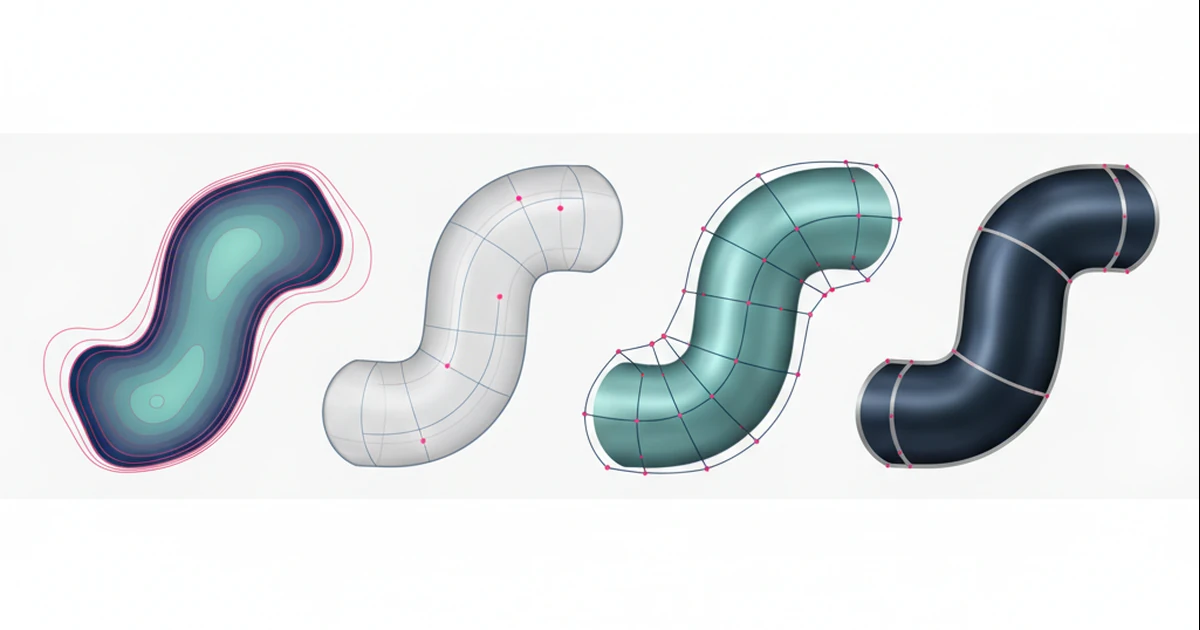
A small enclosure-parameter experiment shows how precise hypotheses, counterexamples, and independent checks can guide CAD architecture research.
 Chertalo Research & Technology
SDF, FRep, NURBS and B-Rep: Different Mathematics, Different Strengths
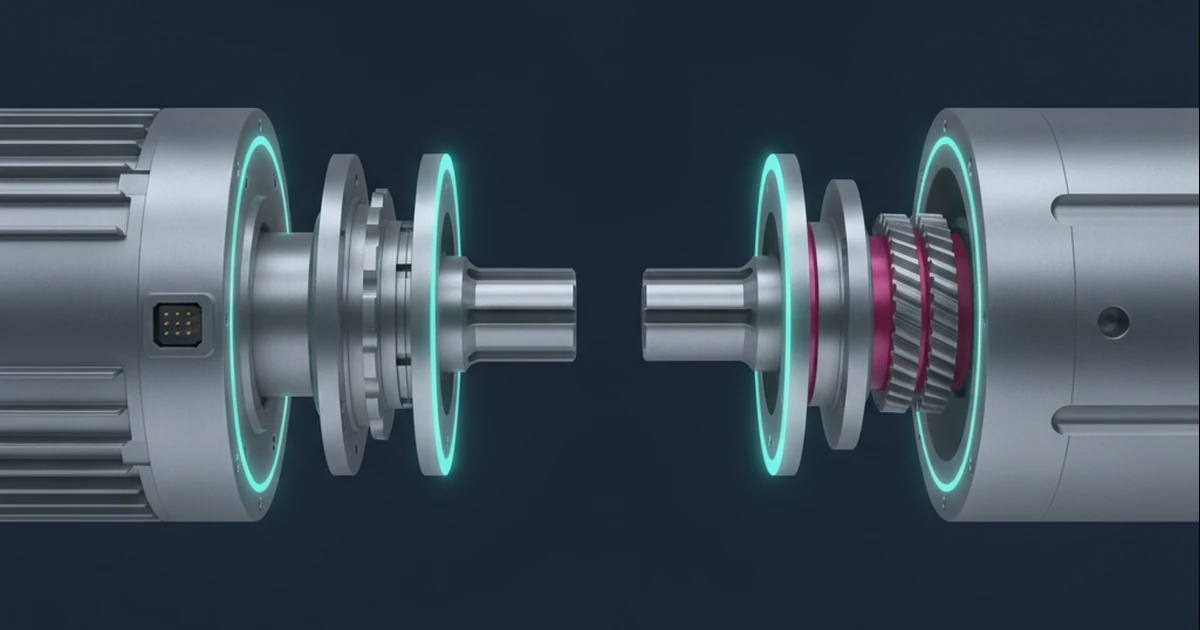
A cooling channel illustrates the different responsibilities of implicit fields, functional definitions, NURBS surfaces, and B-Rep topology.
 Chertalo Research & Technology
Semantic Engineering Ports: Describing Interface Compatibility
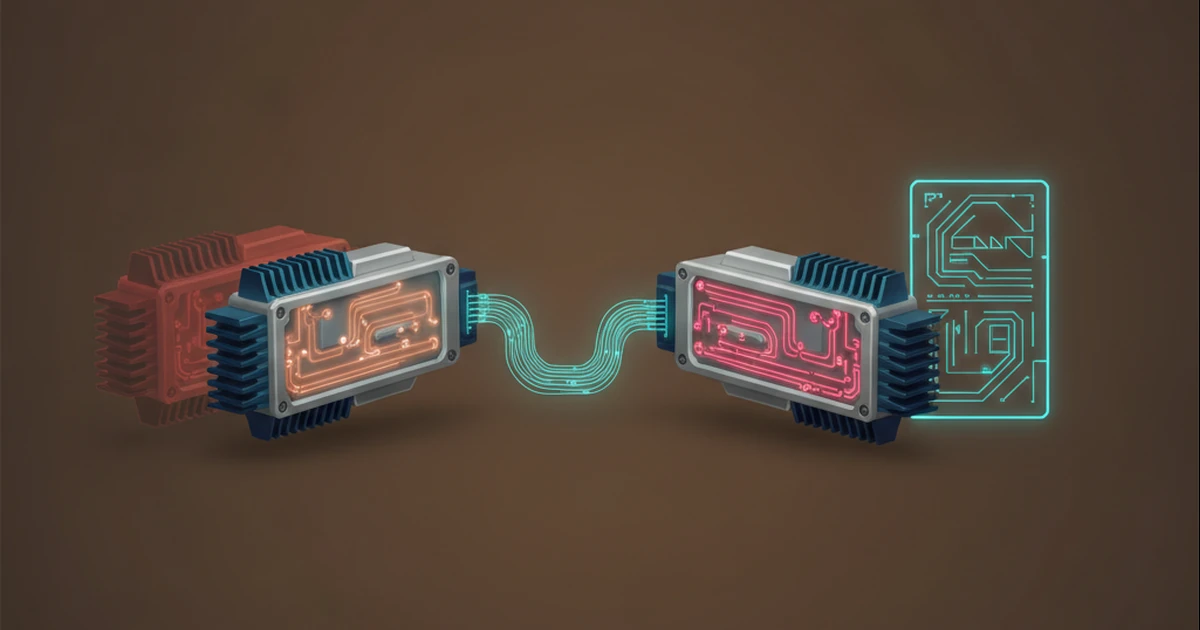
Motor-to-gearbox connections illustrate how typed engineering ports could distinguish compatible descriptions from physically validated interfaces.
 Chertalo Research & Technology
The Digital Thread: From Requirements to Geometry and Verification
A cooling-manifold change shows what a digital thread must preserve when geometry, analysis assumptions, and verification evidence evolve.
 Chertalo Research & Technology
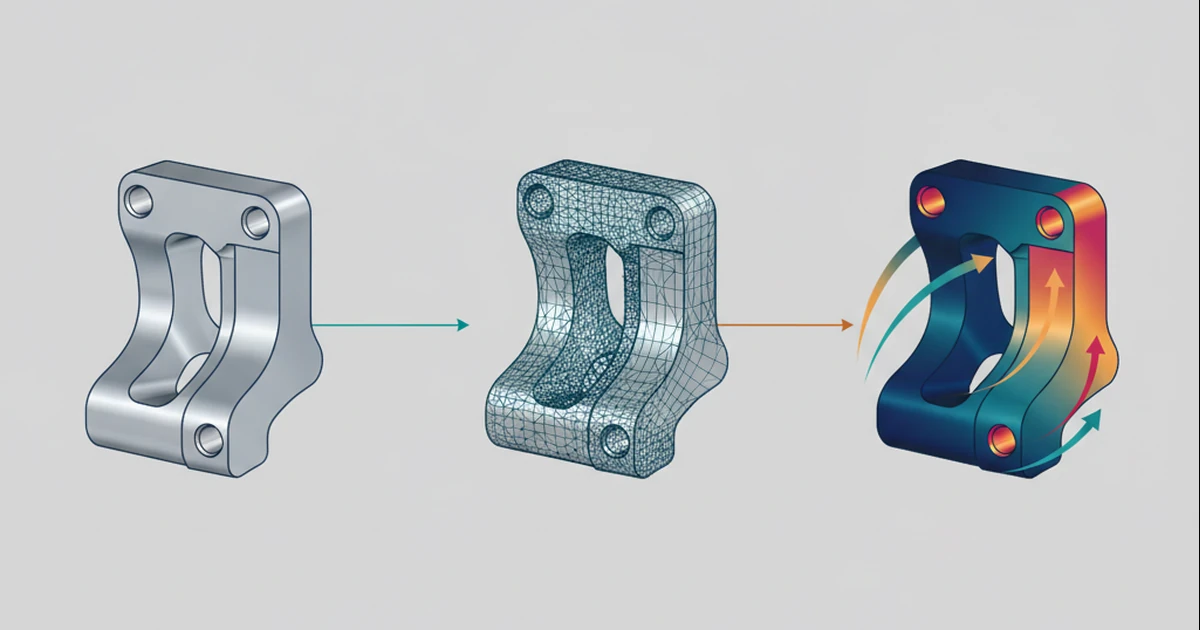
Connecting CAD and CAE: Geometry, Meshing, and Simulation
A loaded mounting bracket traces the decisions between CAD geometry, analysis idealization, meshing, solver results, and a reviewed design revision.
 Research & Development
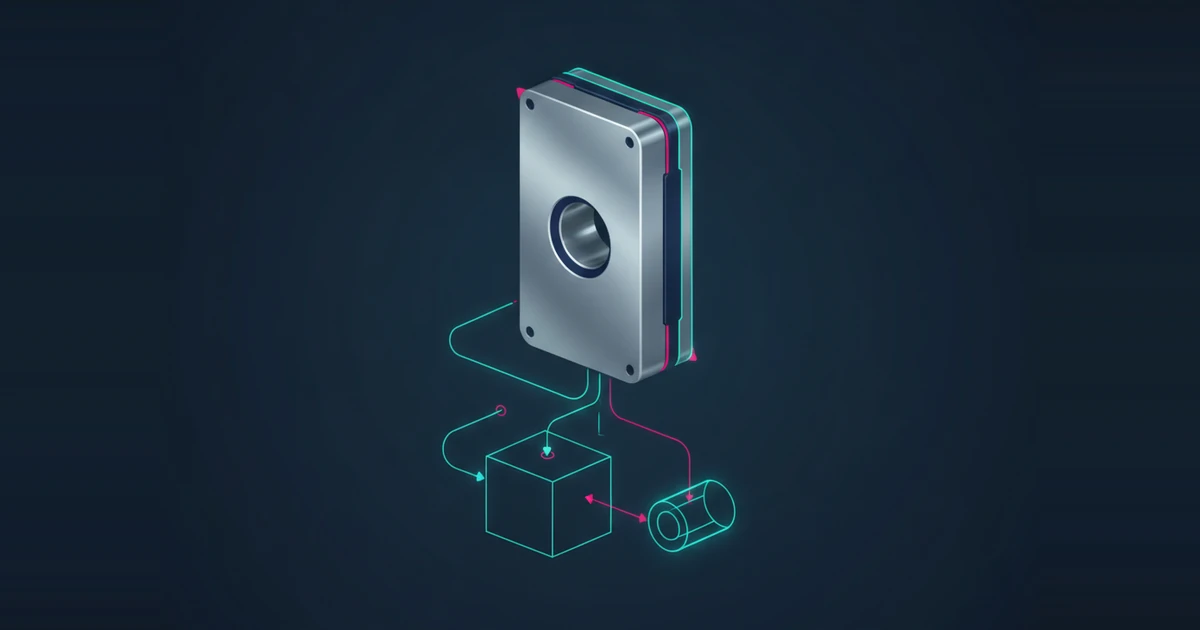
Beyond B-Rep: Rethinking CAD Through a Universal Geometric Language
Explore Chertalo's research into a universal geometric language combining executable geometry, parametric composition, engineering semantics, and parallel computation.
 Chertalo Research & Technology
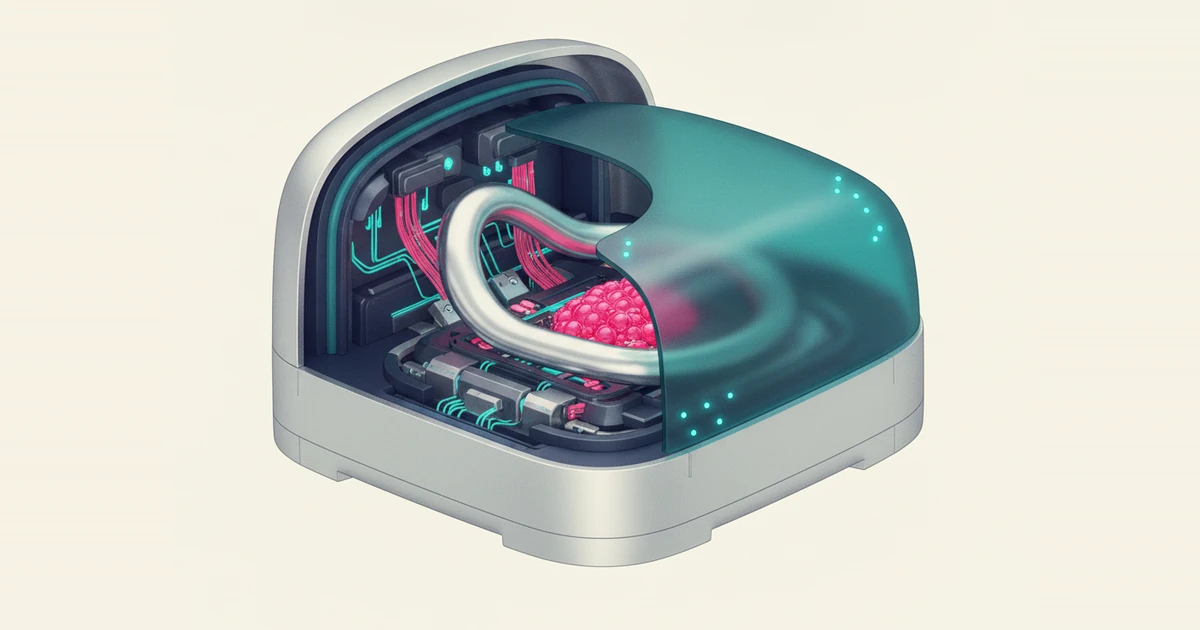
What an Engineering Geometry Basis Needs to Preserve
An engineering geometry basis must preserve topology, dimensions, and useful edits. A rounded enclosure exposes why recognizable shapes are insufficient.
 Chertalo Research & Technology
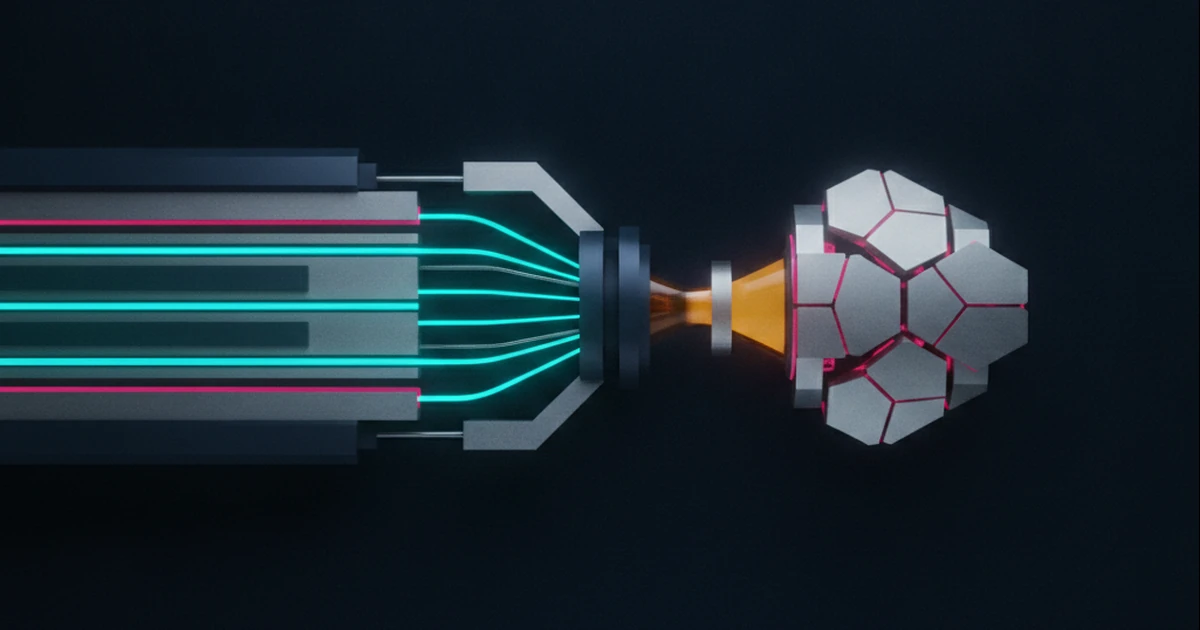
Why Parallel Geometry Is Harder Than It Looks
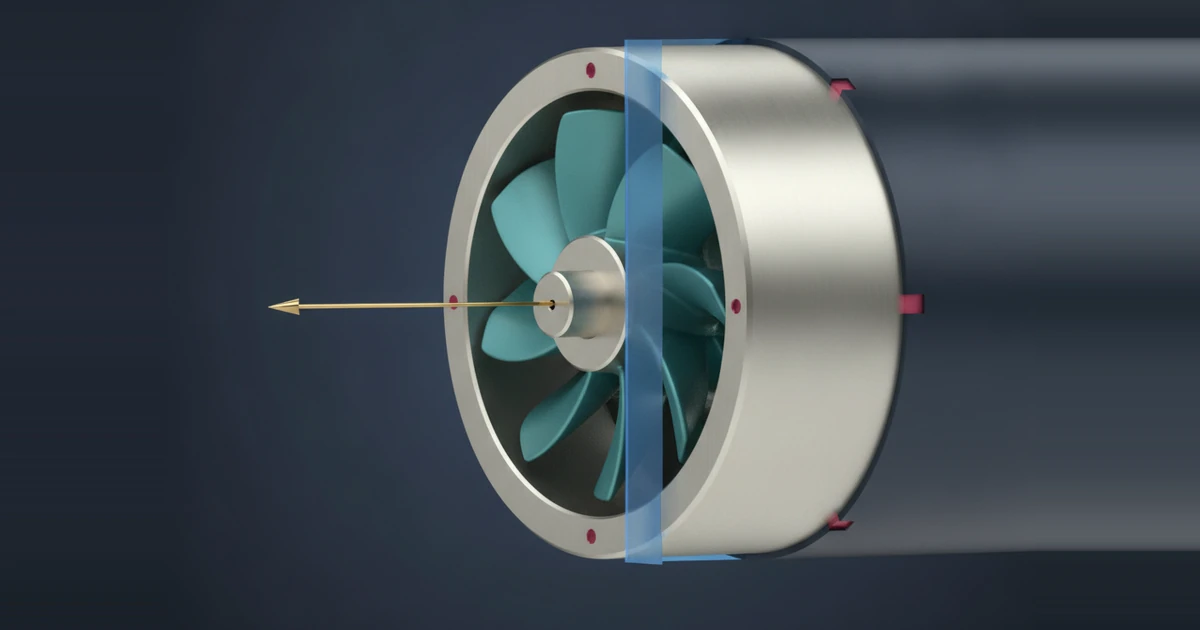
Critical paths, scheduling overhead, and memory costs explain why more workers can make a geometric workload slower.
 Chertalo Research & Technology
Why Parametric CAD Needs More Than Dimensions
Clearance, wall thickness, and datum relationships show why equal dimensions can encode different engineering intentions.
Composites as energy algebra: learn one function, let the code do the rest
Energies add, fields do not. Learn one strain energy density and let the code do the rotations, sums and integrals exactly. Plus the honest boundary.
Building deep tech from Bulgaria: what changes when the coding agent cannot merge its own work
Solo founder, AI coding agents and EuroHPC. The part that matters is the process that catches the agents being wrong before it reaches main.
A Richter scale for geometric complexity
How hard is this body? One number, measured not assumed: a logarithmic scale from a sphere at 1.0 to a Menger sponge at 9.0.
Process to microstructure: what a 3D printer's laser actually teaches a neural network
In laser powder-bed fusion the thermal history decides the grain structure. A surrogate can produce it cheaply. What is proven, and what is not.
Differentiable design
Click a feature, see the gradient, optimise live: physics differentiated with respect to shape, and the honest limit that keeps it a screening tool.
The honest negatives
The topology wall was partly a measurement artifact. A lab that cannot publish its negative results should not be trusted with its positive ones.
Energy as the universal judge
Prager-Synge pincers in human terms: two bounds squeeze the true answer and the gap is the error bar. Four energy families over 18 physics modes.
The math under the surrogate
174 formula-bearing claims, three independent checks: Wolfram, sympy and the test suite. What it means to stamp an ML system, gaps included.
Trust as the product
A solver that says "I do not know" and escalates beats one that always answers. Including the day ours served invented uncertainty.
One model, all physics
One neural operator, tens of physics modes: the physics lives in the data. What that buys, and where it still fails on unseen geometry.
Inside Chertalo's Dual-Engine CAD Kernel: SDF Geometry, Geometric Algebra, and Five-Graph Coherence
How Chertalo combines signed distance fields, Geometric Algebra, e-graphs, DCG, BVH, and NeuroGraph into a browser-native CAD architecture for mechanical engineering.
Chertalo: The Next-Generation CAD Platform Built on Mathematics, Not Legacy
From SDF geometry to deterministic replay — a comprehensive overview of Chertalo capabilities and why its mathematical foundation matters for modern engineering.
EU-Based CAD: GDPR and Data Sovereignty
Why European companies need EU-based CAD platforms. GDPR implications for engineering data, client-side computation, and EU procurement requirements.
Field-Driven Shape Evolution in CAD
How PDE operators, curvature flow, and reaction-diffusion systems enable physics-based shape evolution in CAD. Bounded evolution and exact-zone protection.
The Future of CAD Is Computed, Not Drawn
The historical arc of CAD, B-rep limitations, five converging trends, and why geometry-as-code will define the next era of engineering design tools.
Smetalo: Roadmap for AI-Assisted Optimal Geometry
How Smetalo is being designed to connect physics-aware AI, authoritative solvers, SDF geometry, and autonomous simulation data generation.
Designing Lightweight Auto Parts with CAD
How modern CAD tools enable lightweight automotive part design. EV weight targets, topology optimization, lattice crash structures, NVH, and DfAM strategies.
Real-Time Collaboration in CAD: CRDT Guide
How CRDTs enable real-time multi-user CAD collaboration. File locking problems, CRDT vs OT, geometric merging challenges, and deterministic resolution.
CAD for Additive Manufacturing: Complete Guide
Comprehensive guide to CAD for additive manufacturing. DfAM principles, material selection, toolchain comparison, and end-to-end AM workflow for engineers.
Gyroid Infill: Strongest Lattice for AM
Why gyroid TPMS lattice structures dominate additive manufacturing. Mechanical properties, design parameters, graded gyroids, and practical engineering guidance.
Acoustic Metamaterials: Designing Silence
Learn how acoustic metamaterials achieve extraordinary sound control through engineered microstructure. Bandgaps, unit cell design, and CAD workflows.
STEP Export from Implicit Geometry: How?
The engineering challenge of converting implicit SDF geometry to STEP format. Conversion pipeline, quality metrics, and semantic preservation strategies.
Chertalo vs Onshape: Browser CAD Battle
Compare Chertalo and Onshape browser-based CAD platforms. Architecture differences, feature analysis, and which approach wins for modern engineering.
From Sketch to 3D: Parametric Modeling 101
A beginner's guide to parametric modeling: sketches, constraints, dimensions, features, and how a deterministic solver turns 2D drawings into 3D parts.
Designing Heat Exchangers with Lattices
How TPMS lattice structures maximize heat exchanger performance: design parameters, multi-scale approach, materials, and implicit geometry workflows.
WebGPU for CAD: Real GPU in the Browser
How WebGPU brings native GPU compute shaders to the browser, enabling real-time CAD visualization and field evaluation without plugins.
Topology Optimization for Engineers: Guide
A comprehensive guide to topology optimization: mathematical foundations, input requirements, software comparison, and a step-by-step engineering workflow.
Manufacturing Governance in CAD Design
How real-time manufacturing governance in CAD prevents DFM violations at design time instead of catching them after the fact in analysis.
Chertalo vs nTop: Implicit CAD Showdown
An honest comparison of Chertalo and nTopology (nTop): architecture, lattice design, material fields, sketching, and deployment models.
Why Rust Powers Our CAD Kernel
Why Chertalo chose Rust over C++ for its CAD kernel: memory safety, fearless concurrency, WASM compilation, and a 13-crate modular architecture.
Medical Implant Design with Implicit CAD
How implicit CAD enables patient-specific medical implants with trabecular structures, CT/MRI integration, and regulatory traceability.
Conformal Cooling Channels: Design Guide
A practical guide to designing conformal cooling channels for injection molds, covering topology, thermal benefits, and implicit geometry advantages.
E-Graphs: Optimizing CAD Under the Hood
Learn how e-graphs and equality saturation optimize CAD geometry expressions for faster evaluation, smaller models, and deterministic results.
Chertalo vs Fusion 360: Honest Comparison
A balanced comparison of Chertalo and Fusion 360 — architecture differences, feature strengths, cloud models, pricing, and a decision framework for engineers.
Multi-Material 3D Printing Design Guide
A practical guide to designing for multi-material 3D printing — material fields, per-voxel assignment, PolyJet and MJF processes, and design workflows.
What Is Deterministic Replay in CAD?
How deterministic replay ensures reproducible CAD models — graph-based evaluation, audit trails, and why exact reproducibility matters in engineering.
Designing Aerospace Parts with Implicit CAD
How implicit geometry and SDF-based CAD enable lightweight aerospace components — lattice structures, thermal management, multi-scale design, and certification.
Differentiable CAD: Optimization by Design
How differentiable geometry enables gradient-based shape optimization in CAD — automatic differentiation, design graphs, and engineering applications.
Chertalo vs SolidWorks: Feature Comparison
An honest feature-by-feature comparison of Chertalo and SolidWorks — architecture, strengths, pricing, and which tool fits your engineering workflow.
Lattice Structures for 3D Printing
A comprehensive guide to lattice structures in additive manufacturing — types, engineering properties, design methods, and real-world industry applications.
Browser-Based CAD: No Install Required
How WebAssembly and WebGPU enable full-featured CAD in the browser with zero installation, and why this changes engineering tool accessibility.
SDF vs B-rep: Which Geometry Wins?
A technical comparison of Signed Distance Fields and Boundary Representation in CAD — strengths, weaknesses, performance, and when to use each approach.
What Is Implicit Geometry in CAD?
Learn how implicit geometry and signed distance fields (SDF) work in CAD, how they compare to B-rep, and why they matter for modern engineering design.